
burns explained: how burn scars heal and when scar camouflage may be an option
Burn scars are often misunderstood. Many people assume all burns heal the same way or that scar treatment can begin as soon as the skin closes. In reality, burn injuries vary significantly in depth, healing time, and long-term changes to the skin.
Understanding burn degrees is essential when evaluating burn scars, pigment changes and whether treatments such as scar camouflage or camouflage tattooing may be appropriate after healing.
This blog explains the different degrees of burns, how burn scars form, and what matters most when considering paramedical tattooing for healed burn scars.
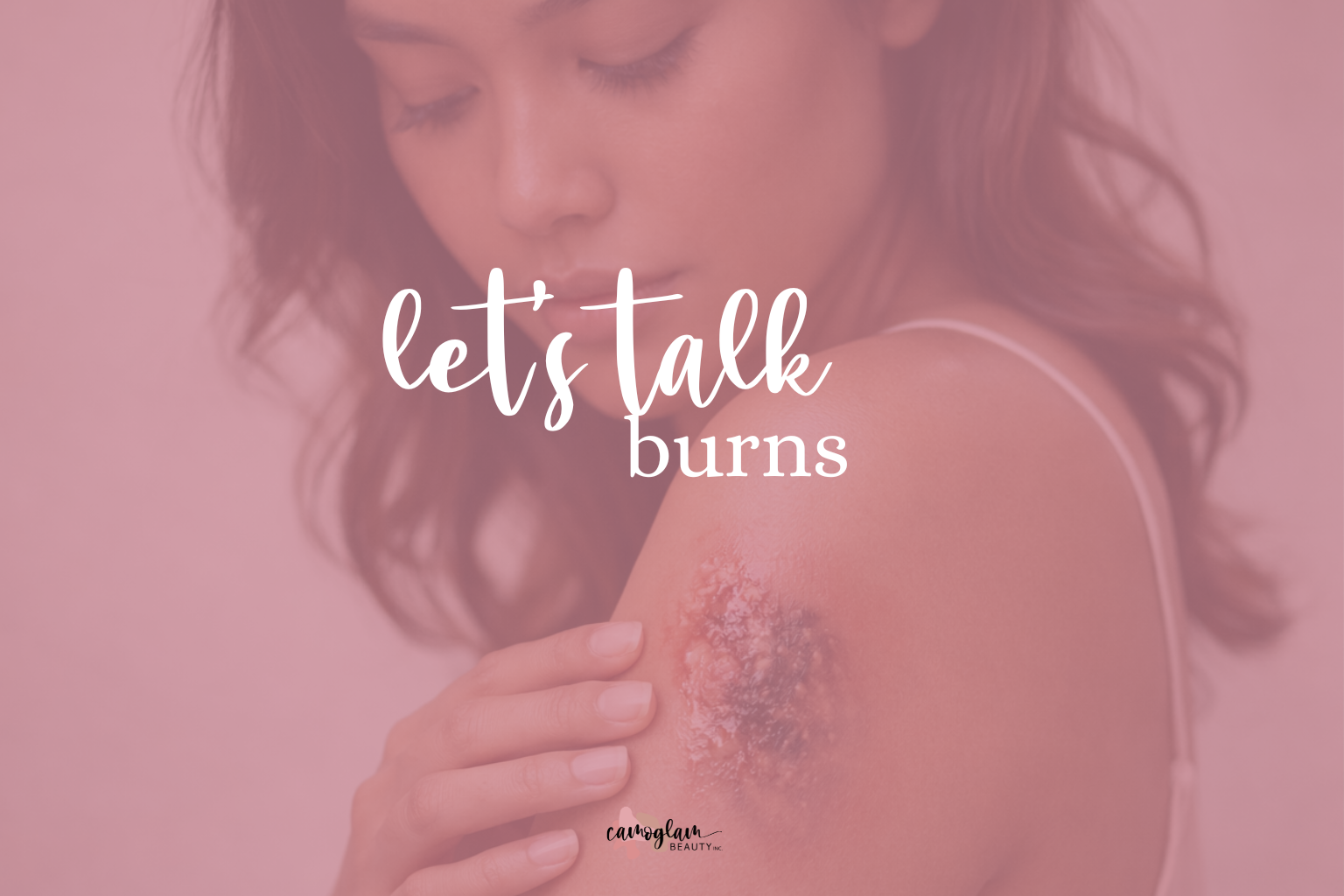
Burns are classified by how deeply the skin is damaged, not by how painful they feel or how severe they appear at first. The deeper the burn extends into the skin, the more complex the healing process becomes and the higher the likelihood of scarring.
first degree burns
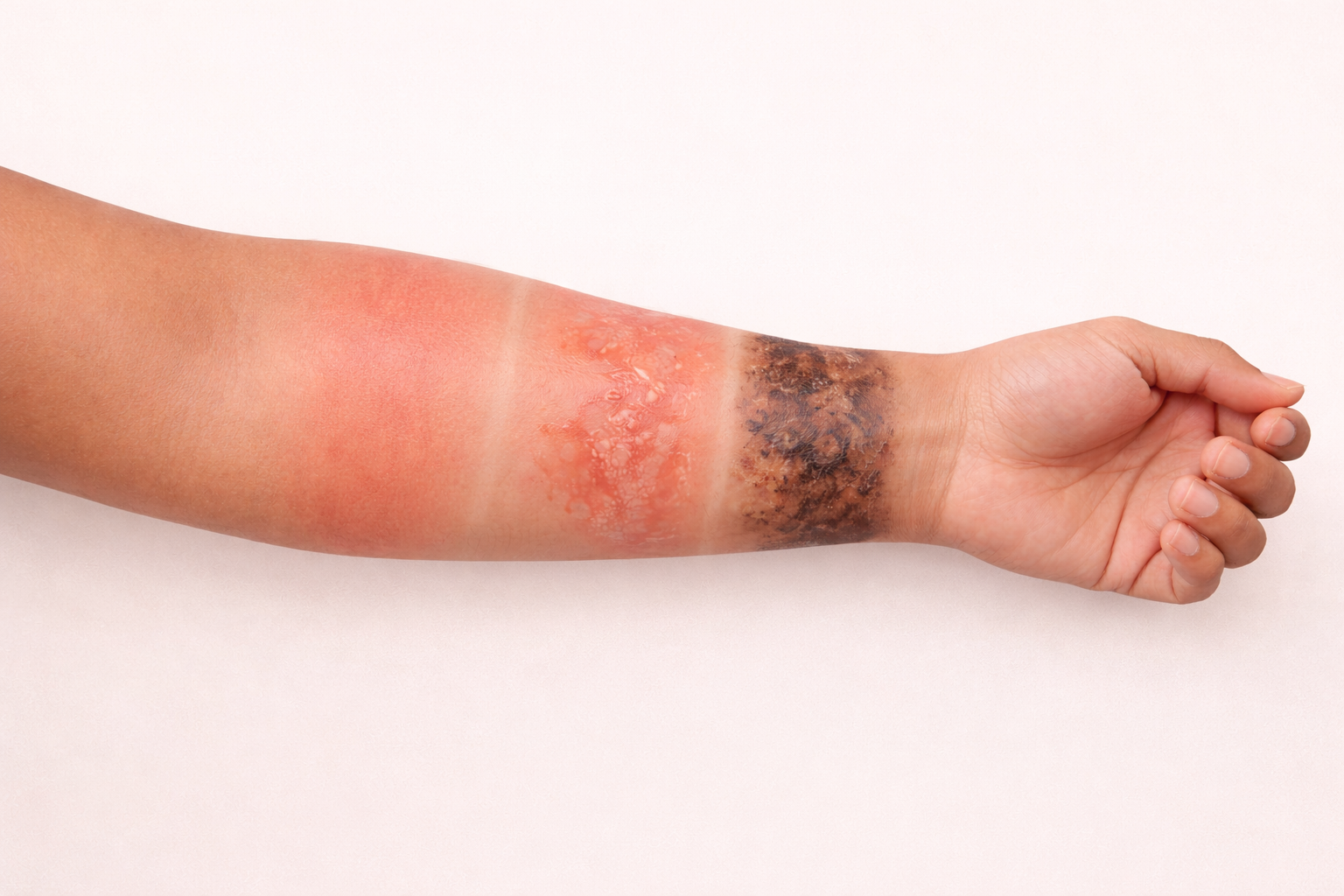
First degree burns affect only the outermost layer of skin, known as the epidermis. These burns commonly appear red, tender and warm to the touch… similar to a mild or moderate sunburn. The skin remains intact and blistering does not occur.
Healing typically happens within a few days to a week. The skin may peel, but it regenerates fully without permanent damage. Once healed, first degree burns do not leave scars or long-term pigment changes.
Because first degree burns do not cause scarring, they are not candidates for scar camouflage or camouflage tattooing.
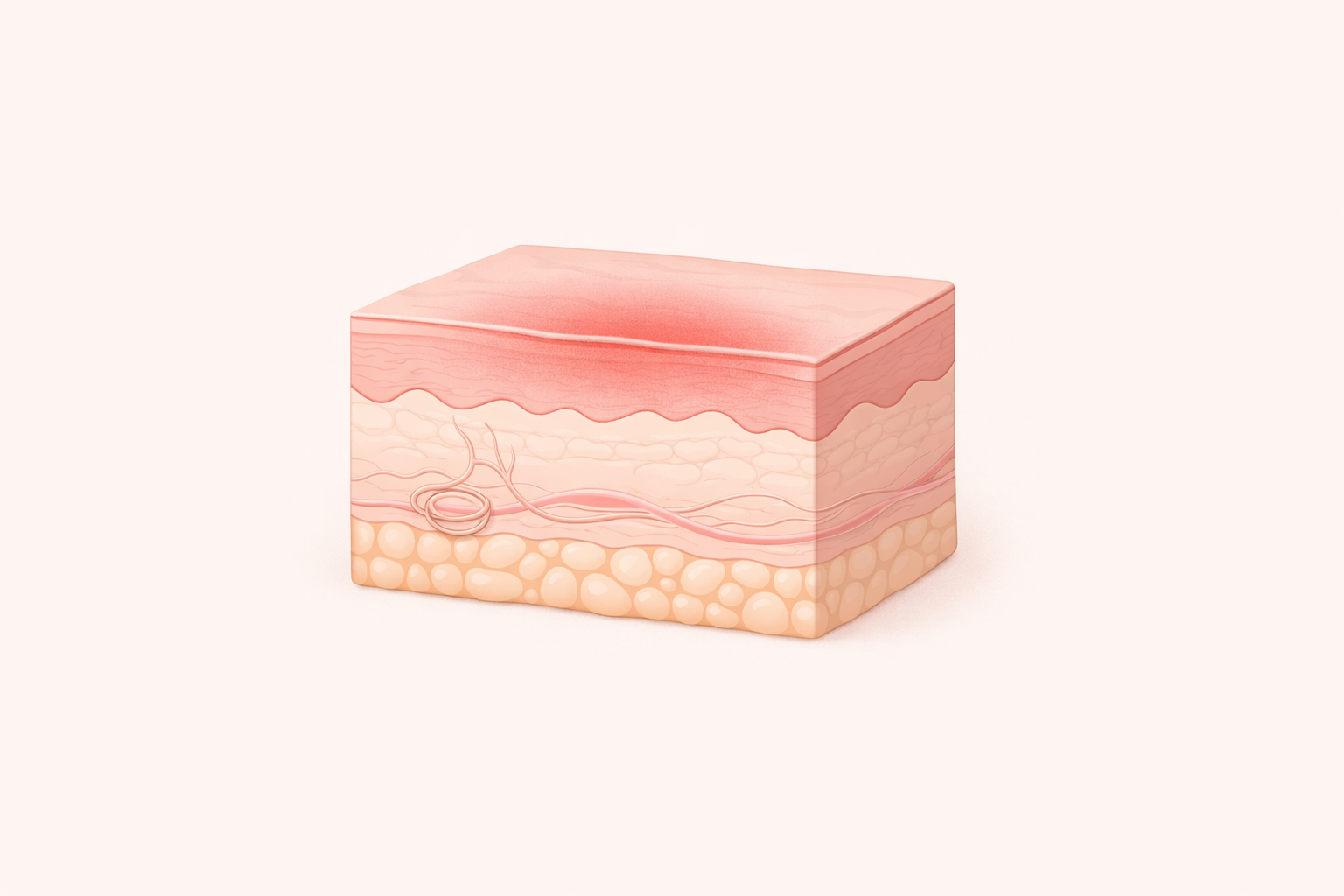
first degree burn
second degree burns
Second degree burns extend beyond the epidermis and affect part of the dermis, the layer beneath the surface of the skin. These burns are often categorized as superficial or deep second degree burns, depending on how much of the dermis is involved.
Second degree burns may cause blistering, swelling, raw or moist skin, and significant discomfort. During healing, the skin often appears red or pink and may look uneven in color.
Healing time varies. Some second degree burns heal on their own with appropriate medical care, while deeper injuries may take weeks or months to heal. After healing, burn scars may show hypopigmentation, hyperpigmentation, or uneven coloration.
Scar camouflage may be considered only once the skin is fully healed, calm, flat, and stable in color. Attempting camouflage tattooing too early can interfere with healing and compromise results.
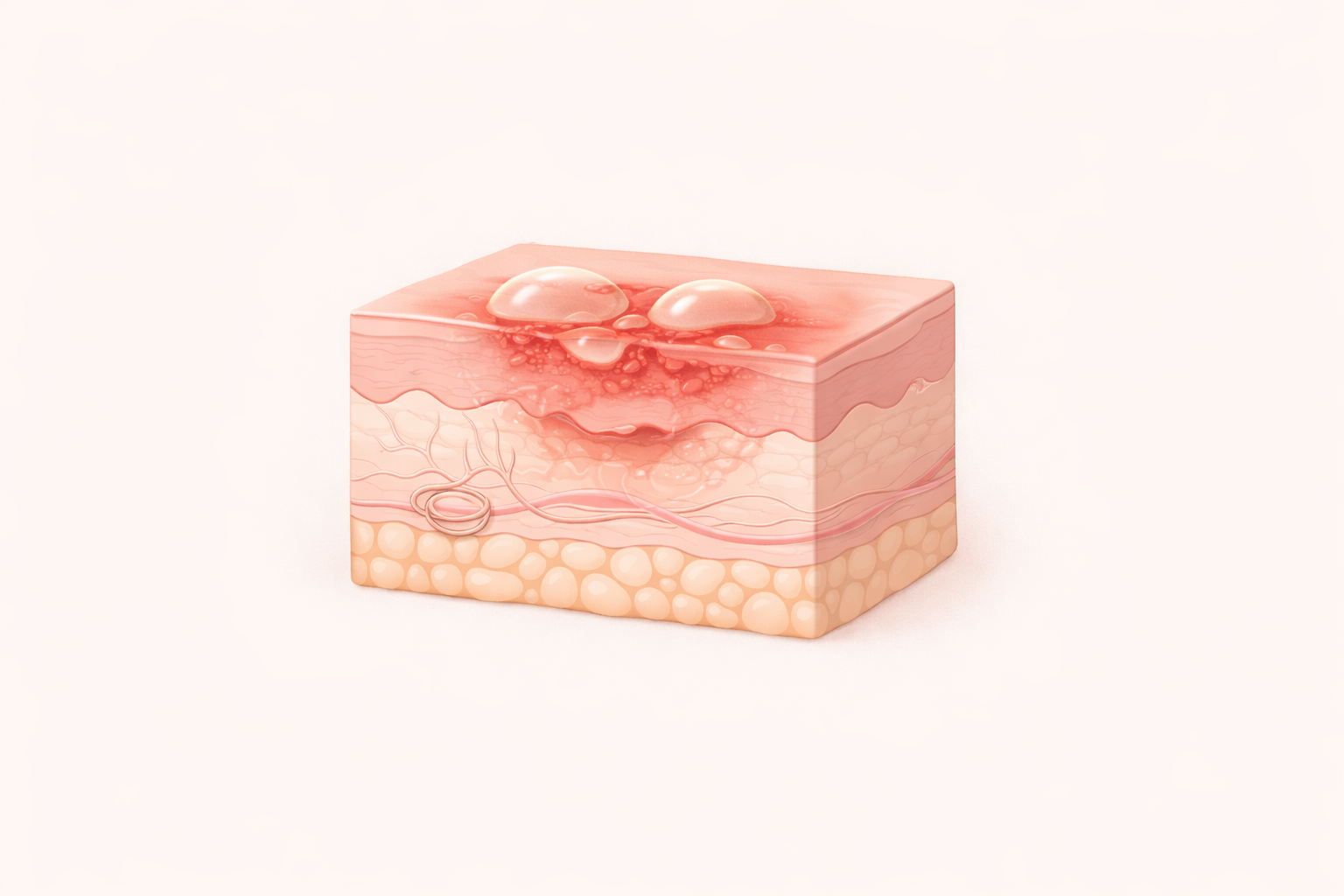
second degree burn
third degree burns
Third degree burns involve full thickness damage, meaning all layers of the skin are destroyed. These burns may appear white, tan, brown, or leathery and are often numb due to nerve damage.
Third degree burns cannot heal on their own and typically require surgical intervention, such as skin grafting or advanced wound care. Once healing is complete, third degree burns always result in permanent scarring.
Healed third degree burn scars often have noticeable color differences and texture changes compared to surrounding skin. While camouflage tattooing cannot restore texture or sensation, it may help reduce visual contrast once the skin is fully healed and stable.
Camouflage tattooing for third degree burn scars is only considered after grafts have matured, inflammation has resolved, and the scar tissue is flat and stable. This process often takes two years or longer.
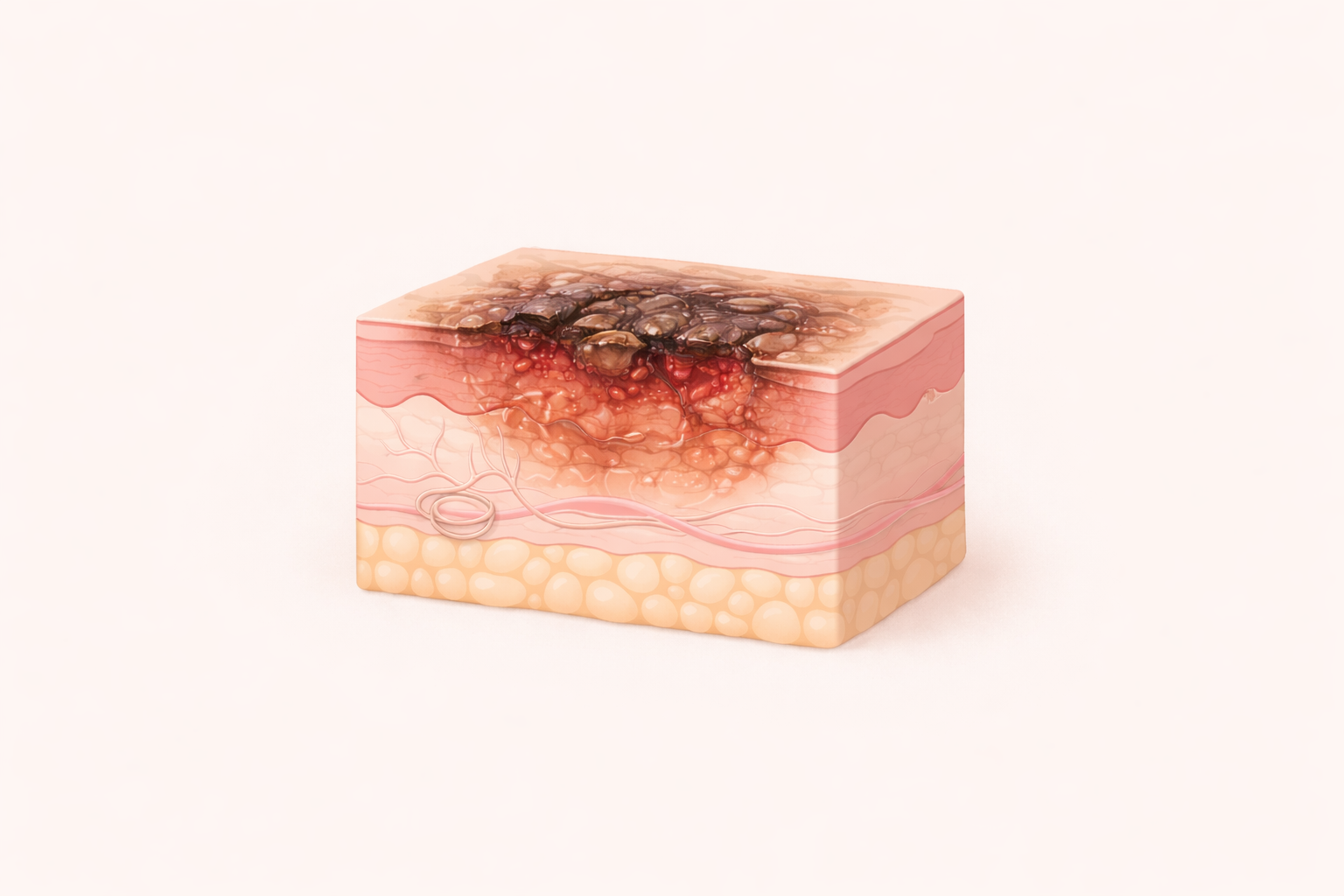
third degree burn
fourth degree burns
Fourth degree burns extend beyond the skin into muscle, tendon or bone. These injuries require extensive medical and reconstructive treatment. Cosmetic or paramedical camouflage procedures are not usually appropriate for fourth degree burns.
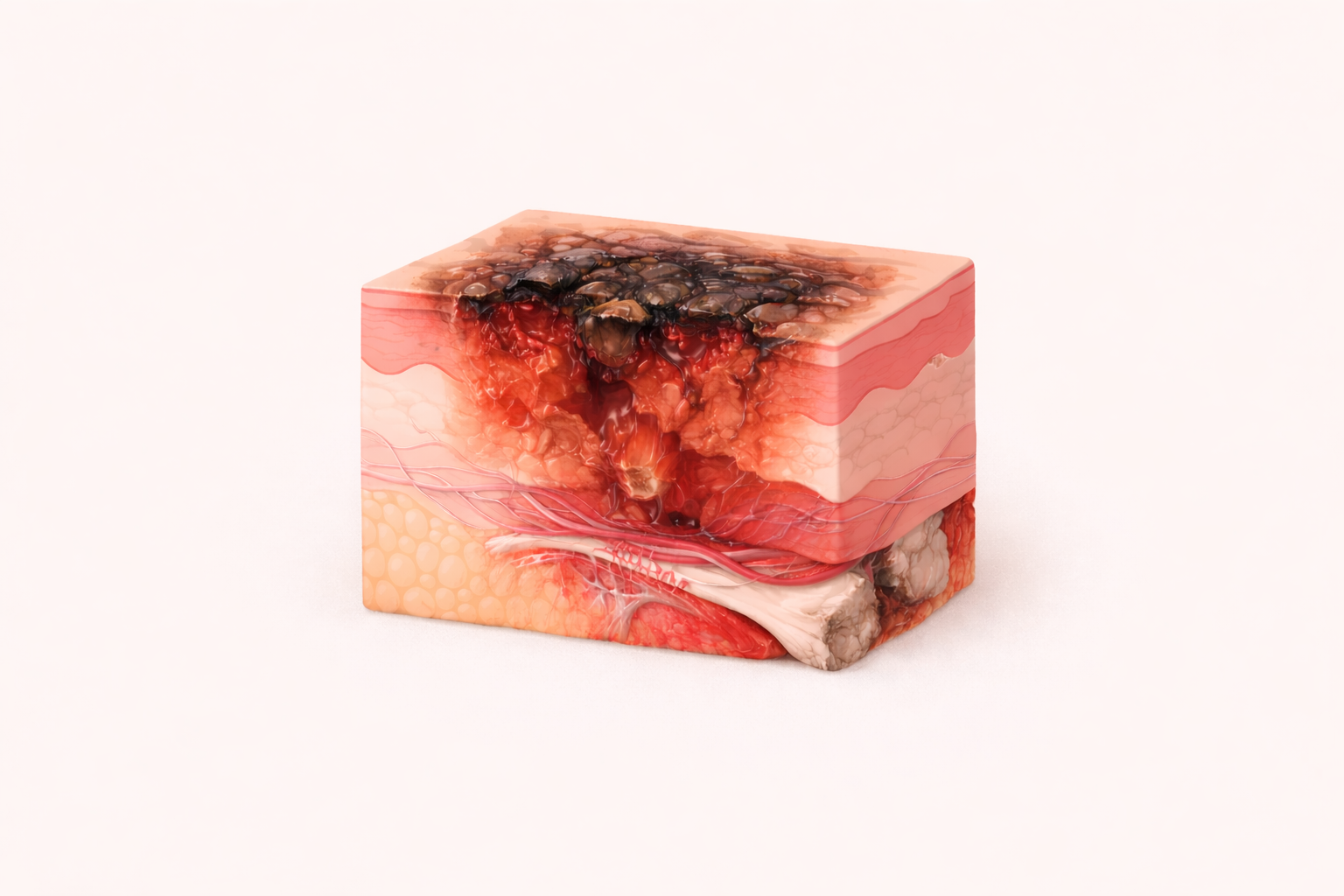
fourth degree burn
why healing time matters for burn scar camouflage
A common misconception is that scar camouflage can begin as soon as a burn wound closes. In reality, burn scars continue to change for a long time after initial healing.
During early healing stages, burn scars may appear red, purple, shiny, dark or uneven. These changes indicate active healing and inflammation. Camouflage tattooing should only be considered once the skin has fully healed, inflammation has resolved and color changes have stabilized.
Treating burn scars too early can result in poor pigment retention, uneven color or additional trauma to the skin.
every burn scar heals differently
Even burns of the same degree can heal differently. Skin tone, burn depth, location on the body, medical treatment, and time all influence the final appearance of burn scars.
Because of this variability, individual assessment is essential before considering scar camouflage or paramedical tattooing.
final thoughts on burn scars and scar camouflage
Burn injuries and burn scars are complex. Healing is not linear and there is no one-size-fits-all timeline. Understanding burn degrees and respecting the healing process protects the skin and leads to better long-term outcomes.
Scar camouflage is not meant to erase scars or create perfection. It is meant to reduce visual contrast and help healed burn scars blend more naturally with surrounding skin when the timing is right.
If you have a healed burn scar and are unsure whether scar camouflage is an option, the first step is understanding where your skin is in the healing process. Every case is different and timing matters. If you would like guidance based on your specific burn scar, you can reach out to us for a consultation when you’re ready.